How Much Protein Should You Be Eating?
What is protein and where can we find it?
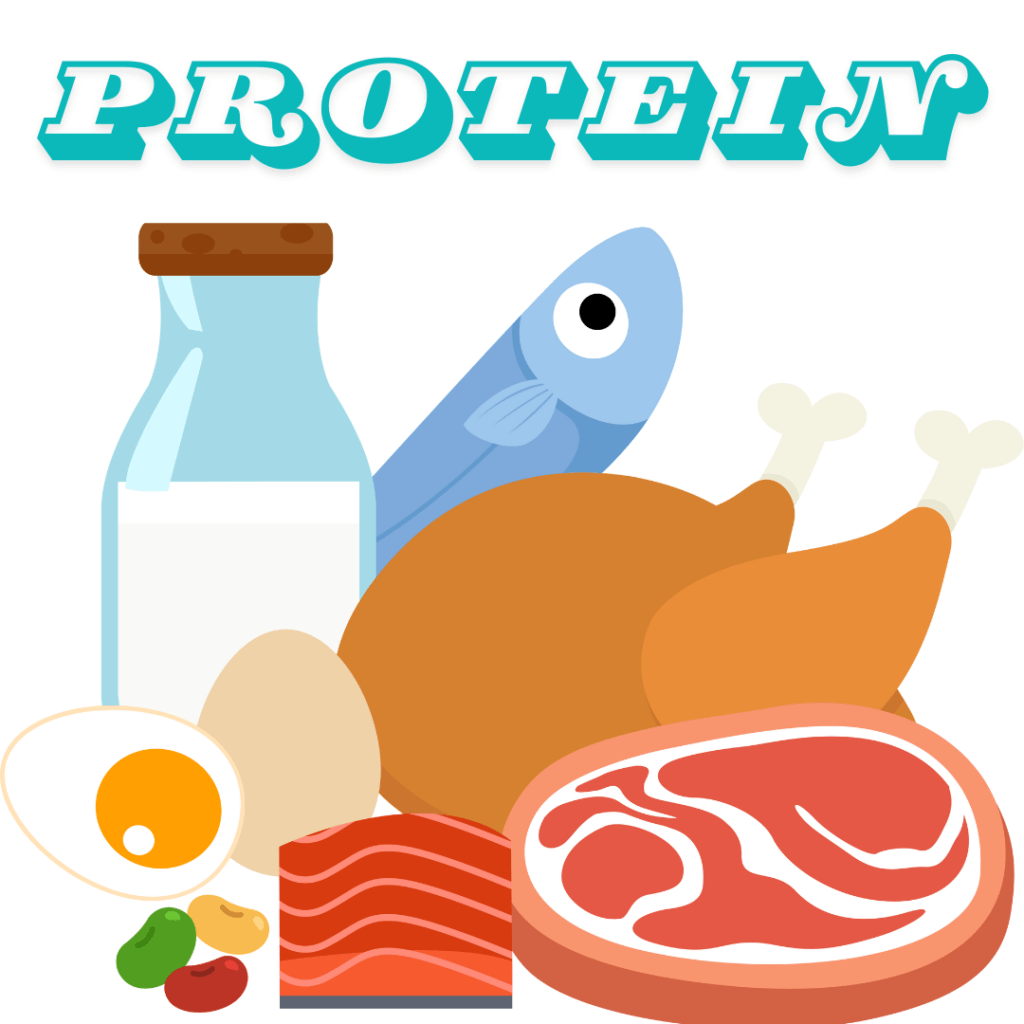
There are many delicious protein sources to fit your dietary needs, depending on your dietary preferences and taste buds. Common options include beef, poultry, eggs, seafood, dairy products, soy foods, beans, legumes, and whole grains.
The nutrients from protein will vary depending on which protein you choose to eat. For example, plant proteins, like soy products, will be high in fiber and several micronutrients, such as B-Vitamins, copper, Vitamin K-1 and isoflavones. Beef is well-known for its iron content, but is also high in other important nutrients, like zinc, selenium, B vitamins and choline. Seafood offers healthy omega-3 fatty acids, iron, zinc, iodine, Vitamin D and Vitamin A.
Varying up your proteins and meals is a great way to ensure you get a wide selection of essential vitamins and minerals. Fortunately, sweetpotatoes pair beautifully with nearly every protein, no matter the flavor or texture you prefer. Plus, the Vitamin C in sweetpotatoes can aid in the absorption of iron, and sweetpotatoes also provide important antioxidants and phytonutrients.
How much protein do you need?
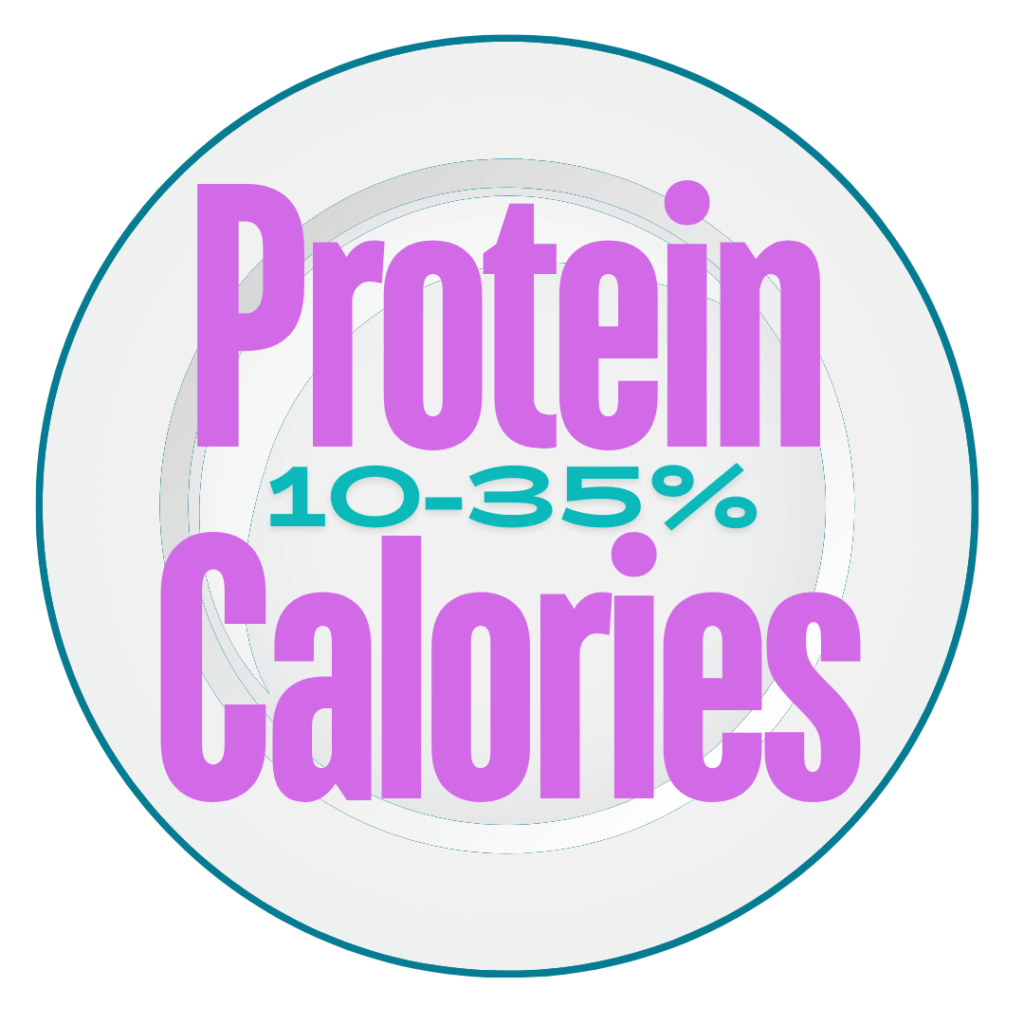
About 10-35% of total calories should come from protein-containing foods, according to the United States Department of Agriculture (USDA).
Of course, many variables determine individual protein needs, such as age, sex, physical activity level, chronic disease state, physical goals, pregnancy, lactation and more.
The Recommended Dietary Allowance (RDA) for protein for an average adult is 0.8 grams per kilogram of body weight per day, which translates to about 50 grams/day for a 150 lb. person. However, protein needs can be much higher (even as high as 1.2-2 grams of protein per kg of body weight) for those wanting to gain muscle, lose weight, etc.
What should you pair protein with?
As previously mentioned, we don’t eat protein in isolation. When eaten along with other food groups, like healthy fats and complex carbohydrates, our bodies are more likely to get necessary complementary nutrients and fill up.
Here are some high-protein meals with sweetpotatoes to enjoy. These meals offer an abundance of nutrients and antioxidants, thanks to the wonderful sweetpotatoes.
Resources:
Lonnie M, Hooker E, Brunstrom JM, Corfe BM, Green MA, Watson AW, Williams EA, Stevenson EJ, Penson S, Johnstone AM. Protein for Life: Review of Optimal Protein Intake, Sustainable Dietary Sources and the Effect on Appetite in Ageing Adults. Nutrients. 2018 Mar 16;10(3):360. doi: 10.3390/nu10030360. PMID: 29547523; PMCID: PMC5872778.