WSJ Explores The World of Fluff
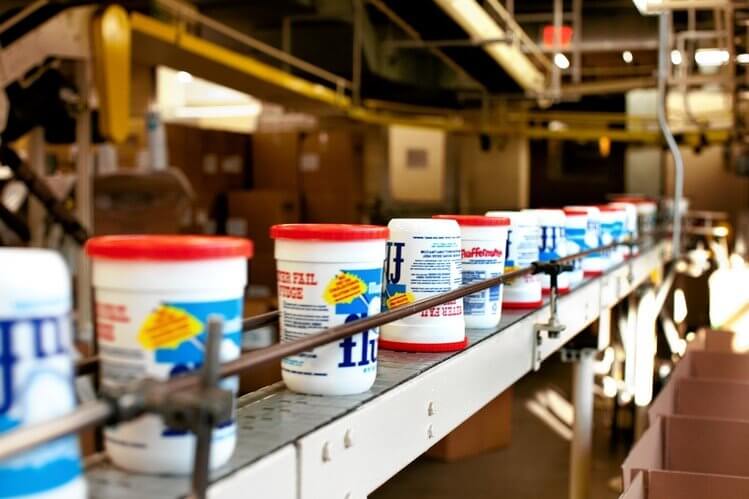
You think sweetpotatoes have it good this time of year, what about Fluff? Apparently the family-owned company that has been making the spreadable marshmallow cream since 1920, has a lot to be thankful for during the holidays and we have a lot to do with it! The WSJ’s article entitled A Sweeter Sweetpotato? Fluff Divides Families, Casseroles takes you through the marshmallow factory and the product’s ups and downs. I’ve clipped some interesting facts below but check out the whole article for the full story.
What does a Fluff factory look like?
Sugar syrup gushes out of spigots. The smell of vanilla wafts through the air. Workers in crisp white uniforms and caps stir kettles of snowy white marshmallow cream. The company produces 8 million pounds a year here at this plant north of Boston.
What is Fluff exactly?
[Marshmallows were] originally made using the mallow plant that grows in marshes and enjoyed by ancient Egyptians. Today, instead of mallow root, marshmallows are in part a blend of gelatin, corn syrup, starch, sugar and water piped through tubes and cut into pieces. Marshmallow Fluff has corn syrup, sugar syrup, egg whites and vanilla flavoring and, because it lacks the gelatin, is spreadable, and gooier.
How do you make Fluff?
Creating Fluff takes 14 minutes from start to finish. “Technically you could make it at home, but it wouldn’t fluff up as well,” Mr. Durkee says. In the factory’s “cooking room,” the corn syrup and sugar syrup are combined, heated to more than 200 degrees, and pumped through stainless steel piping upstairs to the “making room” where the mixture gushes out of a faucet and is beaten with egg white and vanilla flavoring—all in a climate-controlled environment maintained with large dehumidifiers.
Has the war on obesity affected Fluff’s sales?
No but [Fluff] has been hurt by peanut allergies, which have banished the “Fluffernutter” sandwich from many school lunch boxes.
Have sales increased or decreased overall?
Increased. The 8 million pounds of Fluff currently produced in a year is up from 7.3 million pounds four years ago, thanks to the new popularity of gourmet whoopie pies, in which it can be an ingredient.